Using Roblox for History Teaching: Creating Immersive and Interactive Experiences
Advertisement
Transforming the Learning Landscape
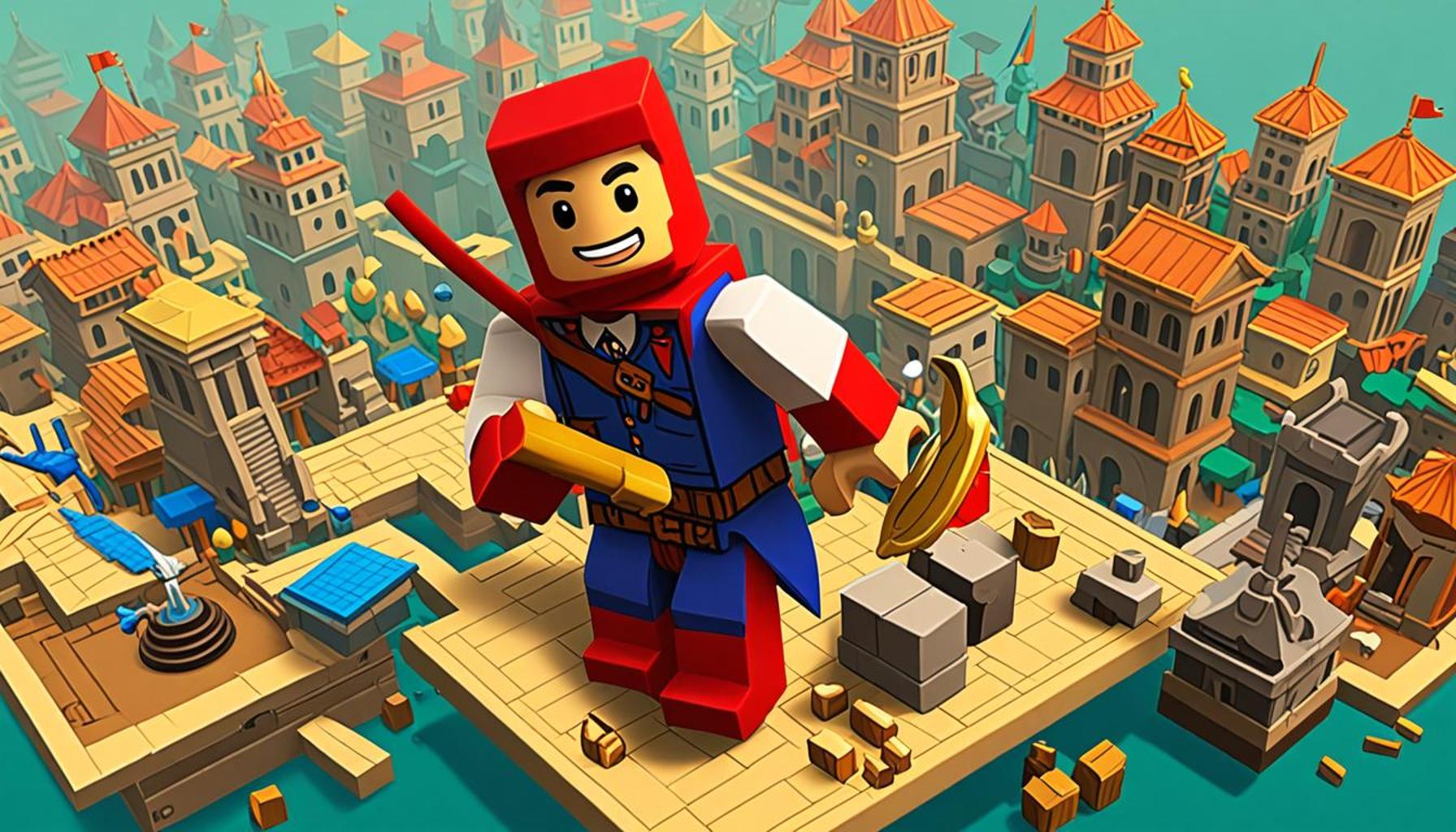
Imagine stepping into the shoes of a soldier at Gettysburg or walking the bustling streets of Ancient Rome without ever leaving your classroom. This is not just a dream; it’s made possible by Roblox, an innovative platform that harnesses the power of gaming to reshape history education.
Advertisement
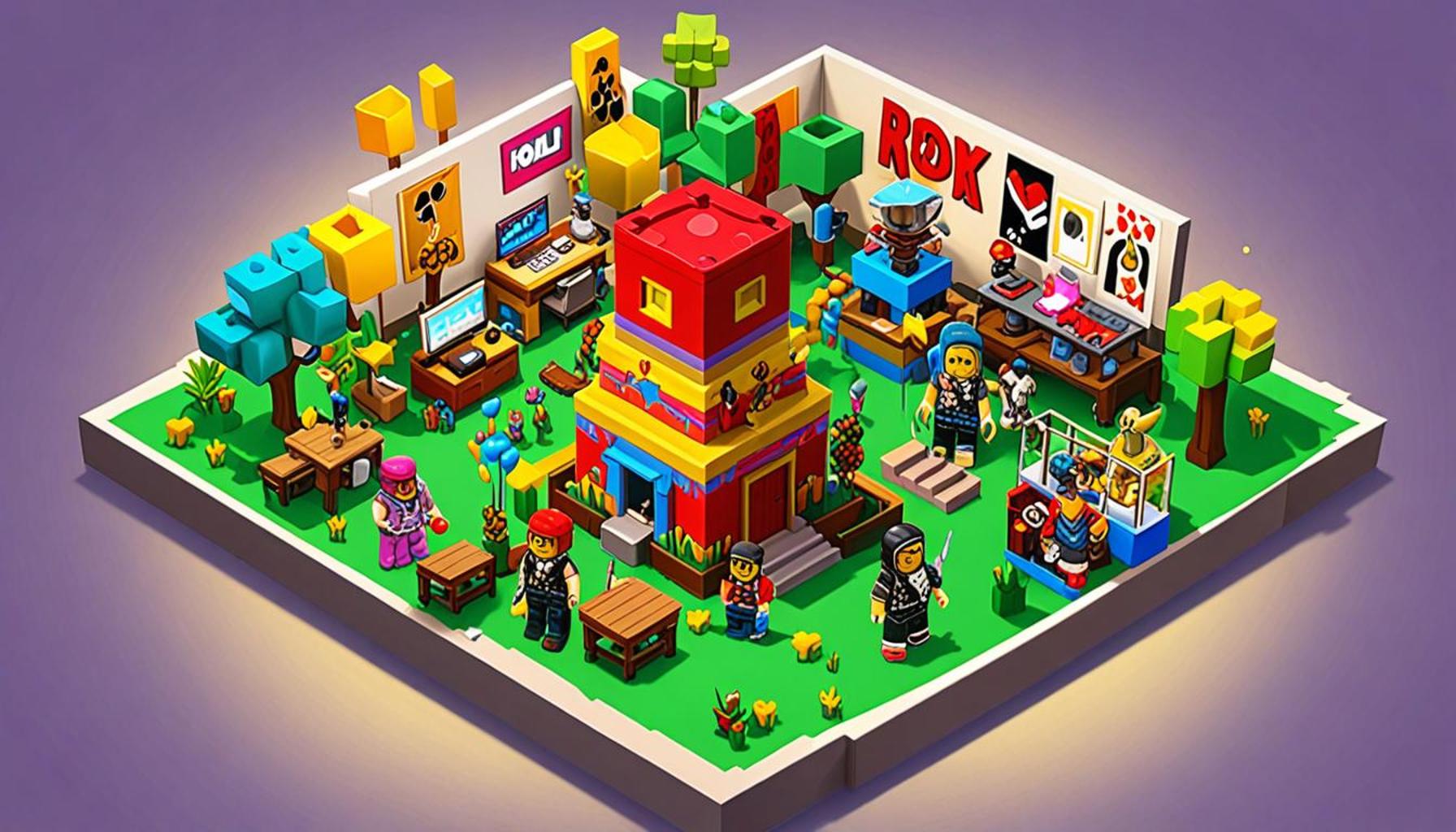
The online universe of Roblox allows educators to create immersive and interactive experiences that captivate students, engaging them in the intricacies of the past. By blurring the lines between gaming and learning, history becomes a vivid narrative rather than a monotonous recital of dates and events. Here are some key features that make Roblox a transformative educational tool:
- Create Custom Worlds: Teachers have the ability to design detailed historical settings that replicate significant events and cultural environments, such as the Battle of Gettysburg or life in Ancient Rome. These custom worlds can include accurate representations of architecture, clothing, and social dynamics, allowing students to explore and interact with history in a way that textbooks simply cannot provide.
- Engage Students: The platform’s interactive gameplay promotes active participation and a deeper understanding of historical contexts. For instance, students can engage in role-playing scenarios where they must make decisions based on historical events, thereby encouraging critical thinking and problem-solving skills.
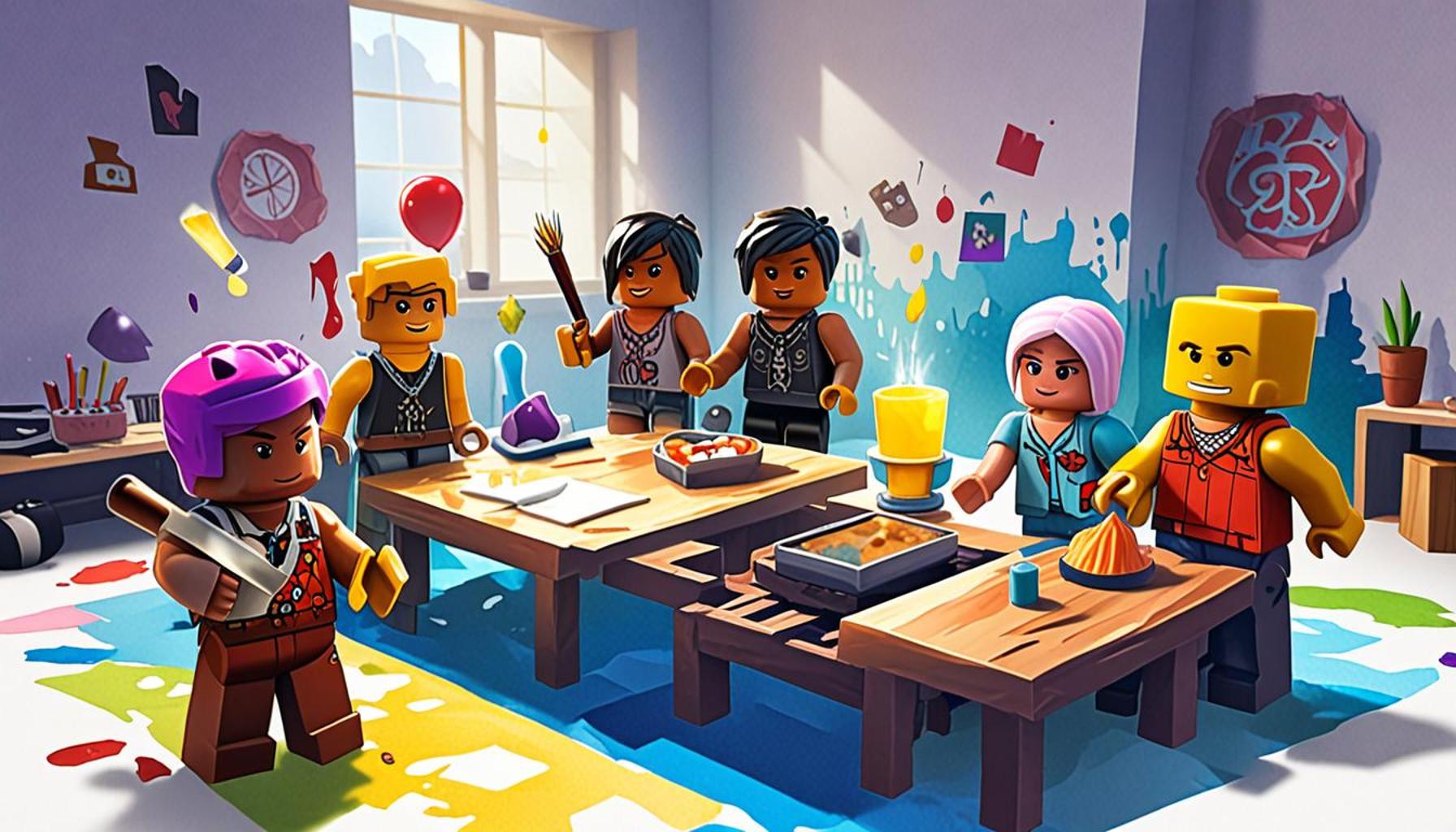
- Collaborative Learning: Roblox encourages teamwork through collaborative quests and challenges that require students to work together to achieve common goals. This not only enhances their understanding of history but also fosters essential skills like communication and collaboration.
The potential for enhancing history teaching with this platform is immense, particularly appealing to tech-savvy students who thrive in digital environments. The integration of Roblox into traditional curriculum not only aligns with educational standards that emphasize creativity and technology use but also makes history relatable and engaging.
Advertisement
As educators begin to adopt this interactive approach, a new generation of students can experience history as a vibrant tapestry of stories and events rather than a static list of facts. Learning through creation and exploration in a digital space empowers students to take ownership of their education and promotes a lifelong interest in history.
By harnessing the power of gaming, teachers can provide students with the tools to dive into historical narratives, understand diverse perspectives, and form connections within the curriculum. The possibilities are extensive. Explore how you can implement these strategies in your classroom today and transform the learning experience for your students.
RECOMMENDED: Check out this similar article
Unlocking the Potential of Experiential Learning
Roblox serves as a powerful tool for educators looking to harness the benefits of experiential learning in history instruction. By engaging with the past in a virtual context, students can grasp complex historical events and cultural nuances in a way that traditional learning methods often fail to achieve. Immersive learning experiences can bridge the gap between theory and practice, fostering a deeper appreciation for historical narratives.
One of the standout features of Roblox as an educational tool is its capacity for customization. Educators can tailor content to align with their curriculum while ensuring that the lessons are rooted in accuracy and relevance. For example, a social studies teacher could create a simulation of the American Revolution, allowing students to assume the roles of key figures, such as George Washington or King George III. This fosters not only an understanding of pivotal moments in history but also promotes empathy by asking students to consider the perspectives of historical figures rather than merely studying their actions.
Moreover, the platform’s user-friendly interface encourages students to become creators themselves. With tools to design their own games or experiences, students can dive into the role of historians. By researching and developing game content focused on specific historical topics, they engage in a project-based learning model that emphasizes critical thinking, creativity, and collaborative skills. This hands-on approach can enhance learning outcomes, resulting in a more profound retention of information.
Here are several key benefits of using Roblox for history teaching:
- Interactive Simulations: Students experience events such as the signing of the Declaration of Independence or the construction of the Great Wall of China through interactive gameplay. This engagement allows students to visualize historical moments, leading to increased retention and comprehension.
- Creative Expression: The freedom to build and design within Roblox lets students express their understanding of history creatively. Design projects, such as recreating historical landmarks or notable events, foster critical thinking and problem-solving skills.
- Accessibility: With a wide range of resources available, teachers can access existing educational content within the Roblox community. This saves valuable preparation time and allows teachers to focus on facilitating meaningful discussions around history.
As Roblox continues to evolve, its role in reshaping history education becomes increasingly significant. By tapping into this digital platform, educators can meet the needs of a generation that thrives in interactive environments. Rather than focusing solely on memorization, students learn to connect with history in a way that is engaging and applicable to their lives today.
By embracing this innovative approach, teachers can inspire students to explore historical topics creatively while fostering a lasting interest in history. As we delve deeper into the ways to implement Roblox in the classroom, the transformative potential of gamification in education becomes more apparent, promising a richer understanding of history for all learners.
| Advantage | Description |
|---|---|
| Engagement | Roblox captivates students’ interest through its interactive gameplay, making history learning fun. |
| Real-life Applications | Students can explore historical events in immersive environments, enhancing their critical thinking and connection to real-world history. |
| Collaborative Learning | Multiplayer experiences encourage teamwork and communication among peers, fostering a deeper understanding of historical contexts. |
| Creativity and Innovation | Students can create their own historical narratives through game development, stimulating creativity and innovation in storytelling. |
The advantages of utilizing Roblox for history teaching are manifold. The platform not only enhances engagement but also fosters a collaborative learning environment. Through its unique interactive framework, students are not merely passive recipients of knowledge but become active participants in their educational journey. By exploring detailed, immersive recreations of historical events, they can better understand complex topics and develop a stronger connection to the material. Additionally, the ability to collaborate with peers while playing and developing games enriches the learning experience. This not only boosts communication skills but also leads to a more profound grasp of historical impacts and contexts.Furthermore, Roblox serves as a canvas for creativity where students can design their own historical narratives, bringing history to life. This hands-on approach empowers learners to innovate and think critically, ultimately transforming how they perceive and learn history. Embracing such interactive technologies in education may very well redefine traditional teaching methods, inviting educators and students alike to explore a new world of discovery.
LEARN MORE: This related article may interest you
Empowering Collaboration through Game-Based Learning
The innovative nature of Roblox not only personalizes the learning experience but also cultivates an environment ripe for collaboration. In history classes, cooperative projects can unleash students’ collective creativity, encouraging them to explore historical events together. Group activities, such as staging a reenactment of a historical trial or planning a historical expedition, allow students to assume various roles and work together towards a common goal, mirroring how historians compile narratives and interpretations of the past.
For instance, students might collaborate to simulate the construction of a significant historical monument, like the Pyramids of Giza, coordinating their efforts in design, resource allocation, and labor management. This type of teamwork can prompt discussions about the social structures and labor practices of ancient civilizations, encouraging students to consider the different perspectives that exist within historical narratives.
Additionally, leveraging the social features of Roblox promotes discourse among students and teachers that mirrors real-world debates among historians. Users can engage with an extensive community through forums; here, students might ask questions, share resources, or collaborate on projects beyond the classroom, extending their learning through peer feedback and mentorship.
Another key consideration is cultural awareness and understanding. As educators create experiences that transport students to different times and places, they stimulate curiosity about global perspectives. By developing games based on historical events from diverse cultures, students not only learn the chronology of events but also appreciate cultural significance, fostering an inclusive learning environment. This is particularly relevant in a country as diverse as the United States, where conversations about history can sometimes overlook various narratives. The use of Roblox enables an enriching exploration of lesser-known histories and the cultures that shaped them.
Moreover, the emphasis on critical thinking within Roblox experiences cannot be overstated. When tasked with creating narratives or game mechanics based on historical accuracy, students engage with primary sources, question assumptions, and analyze multiple viewpoints. For example, while designing a game based on the Civil Rights Movement, students must grapple with complex social issues, historical documents, and the impact of activism. These activities prompt not only learning about events but also fostering critical engagement with historical material.
Importantly, educators can design assessments that evaluate student engagement and comprehension in novel ways. Traditional tests often fall short in evaluating the depth of understanding, but with Roblox, educators can have students reflect on their experiences through gameplay. By having students present their historical creations to the class, they explain their design choices and the historical significance behind them. This not only solidifies their learning but also helps develop their presentation and public speaking skills—important assets in any educational pathway.
Ultimately, as Roblox transforms into a versatile educational platform, educators are encouraged to remain innovative and explore various historical topics. The challenge lies in creating experiences that are not only informative but also resonate with the complexities of human experience. As we venture further into the potential of Roblox for history teaching, the possibilities expand, promising an increasingly engaging and multifaceted approach to history education.
YOU MAY ALSO LIKE: Read read another article
Conclusion: The Future of History Education through Roblox
The integration of Roblox into history education represents a paradigm shift that aligns with contemporary learning preferences and technological advancements. By creating immersive and interactive experiences, educators can harness the power of game-based learning to captivate students’ attention and foster a genuine interest in history. As demonstrated throughout this article, the platform encourages collaboration, critical thinking, and cultural awareness, ultimately shaping well-rounded and informed individuals.
The potential for engaging students in dynamic historical narratives is immense. Through collaborative projects, students not only acquire knowledge but actively participate in constructing their understanding of the past. This process mirrors the work of historians, invoking a more profound curiosity and appreciation for diverse perspectives on history. Moreover, the opportunity to utilize discussions and feedback within the Roblox community creates a rich tapestry of learning that extends beyond classroom walls.
As educators continue to explore this innovative platform, it is crucial to prioritize generating experiences that are both educationally valuable and culturally inclusive. This mission is particularly pertinent in a diverse nation like the United States, where multiple narratives must converge to create a complete historical tapestry. The road ahead is promising; however, it requires educators to remain adaptable, creative, and open-minded.
In embracing Roblox for history teaching, we unlock pathways to a future where learning is not only about memorizing facts but also about understanding the intricate story of humanity. The immersive design and interactive possibilities of the game platform can transform traditional history lessons into engaging adventures, fostering a love for learning that students will carry throughout their educational journeys and beyond.