How to Save to Buy a House Without Compromising Your Budget
Advertisement
Understanding the Home Buying Process
Purchasing a home is not just a financial transaction; it is often one of the most significant investments a person will make in their lifetime. For many, it represents stability and a place to call their own. However, this journey can be overwhelming, particularly when trying to save money without sacrificing your everyday quality of life. Thus, striking the right balance in your finances becomes paramount in this process.
Advertisement
To kickstart your savings effectively, consider these essential strategies:
Create a Dedicated Savings Account
One of the first steps towards saving for your home is to create a dedicated savings account. This separate account will not only help you track your progress but also serve as a visual reminder of your goal. Look for high-yield savings accounts or accounts that offer better interest rates, so your money can grow as you save.
Advertisement
Set a Realistic Budget
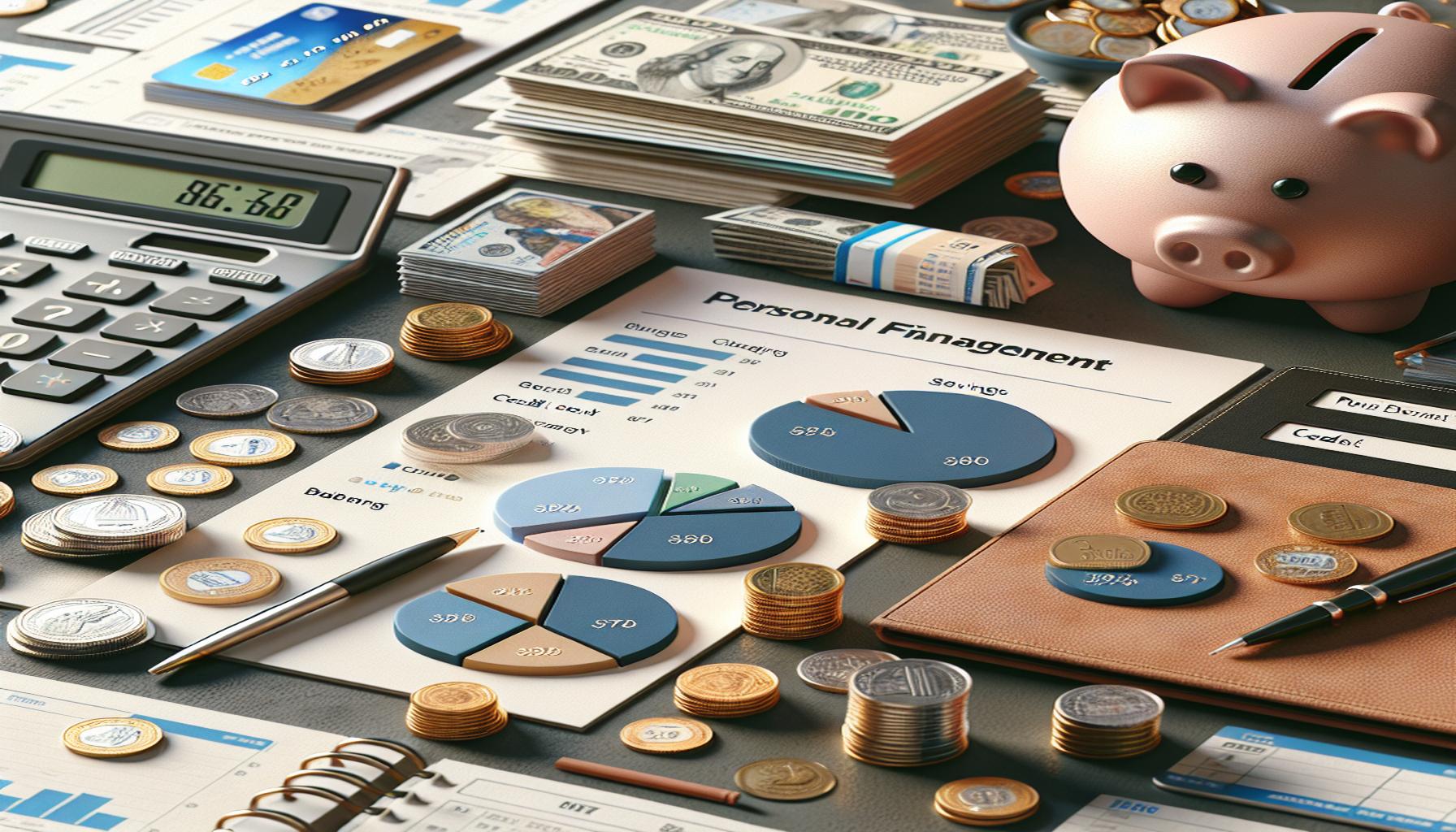
Next, it’s vital to set a realistic budget. Begin by analyzing your monthly income and expenses. Identify your fixed expenses, such as rent or mortgage, utilities, and groceries. After that, allocate a specific amount each month for your home savings. This disciplined approach will help you keep your spending in check and develop a routine of saving. For instance, if you aim to save $20,000 in five years, plan to set aside about $333 monthly.
Reduce Non-Essential Expenses
Reducing non-essential expenses is another effective strategy. Examine your spending habits closely to identify areas to cut back. This might include dining out less frequently, cancelling unused subscription services, or forgoing that daily coffee shop visit. By making small changes, like preparing meals at home or brewing your coffee, you can save significant amounts over time—possibly an extra few hundred dollars each month.
Use Budgeting Tools
To stay on track with your financial goals, employing budgeting tools can be incredibly beneficial. There are numerous apps designed to help visualize your finances, such as Mint or YNAB (You Need A Budget). These tools can simplify managing your budget and hold you accountable for adhering to your financial plan, making it easier to see what you can save each month.
Ultimately, embodying these strategies will enable you to save for your dream home without feeling deprived. Remember that buying a house is not just a destination; it’s an ongoing journey. With a positive mindset and a well-thought-out plan, the dream of homeownership can become a reality.
SEE ALSO: Click here to read another article
Smart Strategies for Saving
Saving for a house while maintaining an enjoyable lifestyle may seem challenging, but it is entirely achievable with the right strategies. Balancing your savings goals with your regular expenses is crucial. Here are some practical methods to help you save efficiently without pushing your budget to its limits:
Establish Short-Term Savings Goals
Instead of focusing on the daunting total amount needed to buy a house, break it down into short-term savings goals. Setting these smaller targets, such as saving for a down payment, closing costs, or moving expenses, can make the process feel less overwhelming. For instance, if you aim to save for a 20% down payment on a $250,000 home, your goal would be $50,000. You can further divide this by setting a one-year savings plan, breaking it down to approximately $4,167 per month.
Find Extra Income Opportunities
Another effective approach is to explore extra income opportunities. Whether through a side job, freelance work, or selling items you no longer use, additional earnings can significantly boost your savings. Consider the following ideas:
- Freelancing: Use skills like graphic design, writing, or web development to take on freelance gigs.
- Part-Time Work: Look for part-time employment in retail or hospitality during weekends or evenings.
- Online Marketplaces: Sell unused clothing, electronics, or furniture on websites like eBay or Facebook Marketplace.
All these small efforts can add up to a substantial increase in your savings over time.
Automate Your Savings
Automating your savings is another invaluable tool in your financial arsenal. Setting up automatic transfers from your checking account to your dedicated savings account ensures that you consistently add to your savings without even thinking about it. This method removes the temptation to spend that money impulsively and makes saving a seamless part of your financial routine. Aim to schedule transfers right after you receive your paycheck for optimal results.
Leverage Employer Benefits
If your employer offers programs designed to assist with home buying, such as down payment assistance or savings matching contributions, take full advantage of these offerings. Some companies collaborate with banks to provide resources and educational materials to help employees prepare for homeownership. Participating in these programs not only amplifies your savings but also educates you on the financial aspects of buying a home.
By incorporating these smart strategies into your financial plan, saving for a home can become a reality without compromising your budget or lifestyle. Remember, every little bit you save adds up, and consistent efforts yield fruitful results over time.
CHECK OUT: Click here to explore more
Maximizing Your Savings Potential
In addition to setting goals and automating savings, there are several other strategies you can implement to maximize your savings potential while remaining within your budget.
Review and Adjust Your Budget
One of the most effective ways to save money is to regularly review and adjust your budget. This involves taking a close look at your spending habits and identifying areas where you can cut back. Start by categorizing your expenses into essentials and non-essentials. Essentials include rent or mortgage payments, utilities, groceries, and transportation, while non-essentials might include dining out, subscription services, and entertainment.
For example, if you typically spend $200 a month on dining out, consider reducing that amount to $100. This easy adjustment could free up $1,200 over the course of a year—money that can be redirected towards your home-buying savings.
Utilize Budgeting Apps
To make the process of tracking expenses easier, consider using budgeting apps such as Mint, YNAB (You Need A Budget), or EveryDollar. These applications not only help you monitor your spending but also provide insights on where your money is going. Moreover, many budgeting apps allow you to set financial goals and track your progress towards them. This can provide motivation as you see your savings grow toward your down payment and other expenses related to home ownership.
Take Advantage of Tax Breaks
Another way to boost your savings is to take full advantage of tax breaks associated with homeownership. In the United States, there are tax deductions available for mortgage interest and property taxes, which can save you money in the long run. Familiarize yourself with these deductions and incorporate them into your financial planning. Speak with a tax professional if you need help understanding which deductions you may qualify for.
Shop Smart for Essentials
When buying essentials, becoming a savvy shopper can lead to significant savings. Use resources such as coupons, sales promotion, and subscription services that provide discounts. Grocery stores often have loyalty programs that reward regular customers with discounts and promotions. Additionally, consider shopping at discount retailers or using apps that provide cash back on purchases you are going to make anyway.
For instance, if you spend $500 a month on groceries, even saving just 10% through smart shopping and promotions would yield $600 in savings over a year, which can be redirected to your home purchase fund.
Roommate or Rental Income
Consider seeking roommate or rental income to help offset your housing costs while you save. If you own a home already, renting out a room or an accessory dwelling unit can provide an additional source of income. For those who are renting, consider sharing a space with a roommate to significantly lower your monthly rent. This extra income can be allocated strictly to your savings fund, putting you closer to homeownership without compromising your lifestyle.
By applying these strategies, you can maximize your savings potential while still enjoying your life. The key is to remain disciplined and proactive, keeping your eyes on your homeownership goals as you navigate your financial journey.
SEE ALSO: Click here to read another article
Conclusion
Saving for a home is a significant milestone that requires careful planning and dedication. By employing a few strategic techniques, you can effectively increase your savings without straining your budget. Start by diligently reviewing and adjusting your budget, identifying areas where small cuts can accumulate into substantial savings. Utilizing budgeting apps can streamline this process and help you track your progress towards your goal, providing insights that make your saving journey more transparent and manageable.
Furthermore, be sure to maximize your financial benefits by taking advantage of tax breaks associated with homeownership and employing smart shopping tactics for your everyday expenses. Even minor adjustments in spending, such as utilizing coupons or seeking out roommate or rental income, can make a considerable difference in how quickly you reach your home-buying aspirations.
Ultimately, the journey to homeownership doesn’t have to compromise your quality of life. By combining these practical strategies—such as actively monitoring your expenses, leveraging tax advantages, and remaining disciplined in your savings—you can create a balanced approach that leads to financial stability and fulfillment. Remember, staying focused and motivated is crucial as you work towards that dream of owning your own home. With patience and dedication, you will find that your dream home is within reach, allowing you to celebrate both your financial savvy and your future as a homeowner.