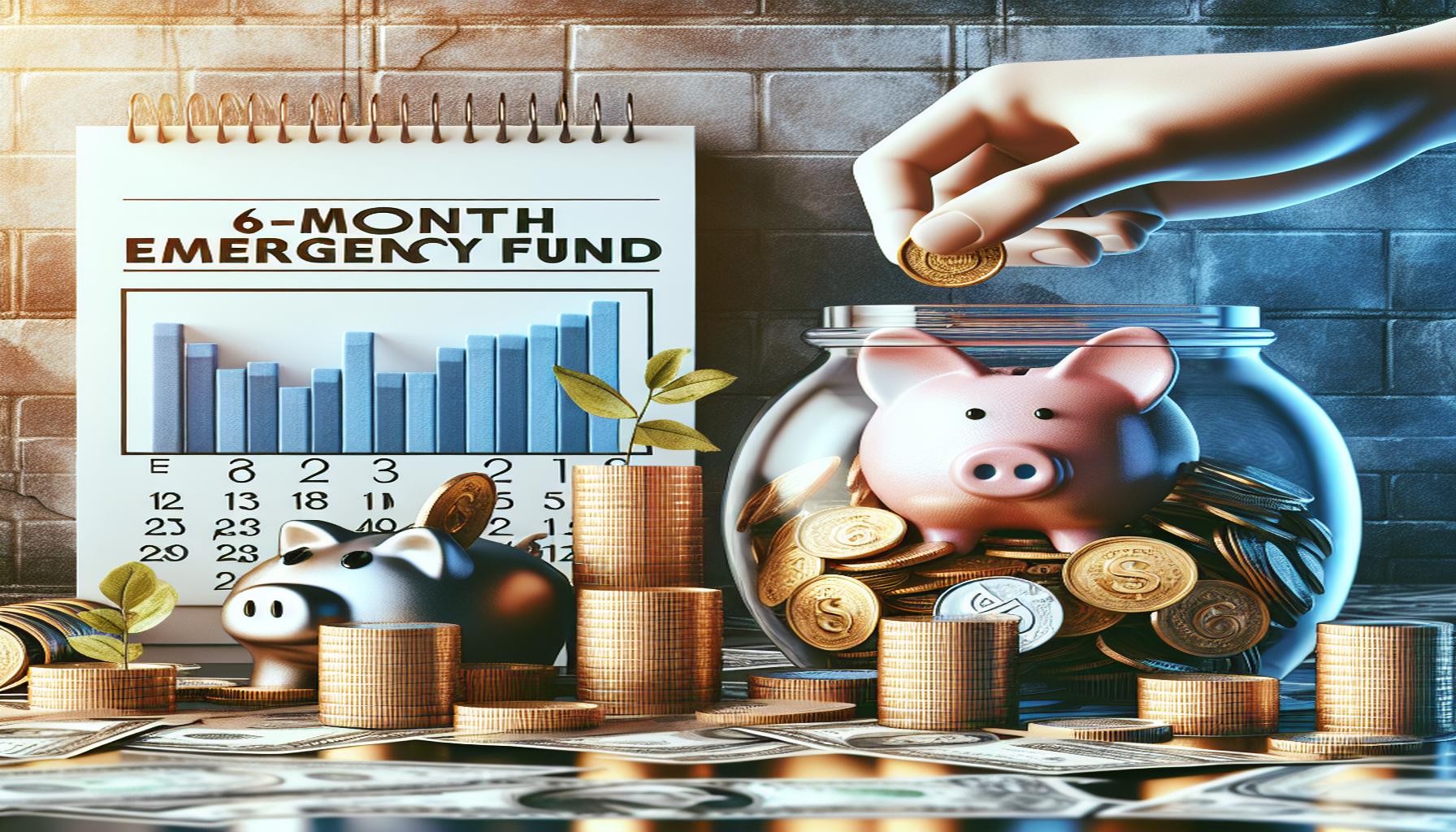
Step by Step to Build a 6-Month Emergency Fund
Advertisement
Importance of an Emergency Fund
Having a financial cushion in place is essential for dealing with unforeseen circumstances, such as medical emergencies, job loss, or unexpected home repairs. An emergency fund provides much-needed support, helping you avoid falling into debt or relying on credit cards during difficult times. Consider the peace of mind that comes from knowing you can cover essentials without panic. In essence, an emergency fund not only contributes to your financial stability but also safeguards your overall well-being.
Advertisement
Key Components to Build Your Emergency Fund
To begin your journey toward financial security, it is critical to establish a solid foundation for your emergency fund. Let’s explore the three key components in depth:
- Define your monthly expenses: Understanding your average monthly expenses is the first step in building your emergency fund. Calculate all regular costs, which might include rent or mortgage payments, utility bills, grocery shopping, insurance premiums, transportation costs, and any subscriptions you might have. For instance, if you spend approximately $2,000 a month on living expenses, this figure will serve as a baseline for your savings goals.
- Set a savings goal: After determining your monthly expenses, multiply that number by six to identify your emergency fund target. Using our previous example, if your monthly expenses are $2,000, you would aim to save $12,000. This amount might appear daunting at first, but breaking it down into manageable monthly contributions can make the goal more achievable.
- Choose a savings account: Selecting the right savings account is essential for your emergency fund. Look for accounts that offer high-interest rates and easy access to your money. Online banks often provide better interest rates compared to traditional brick-and-mortar banks. For instance, an account that offers 1% interest could help your savings grow over time, even as you withdraw funds in emergencies.
Building Your Fund in Six Months
Now that you have defined your expenses, set a savings goal, and chosen an appropriate account, it’s time to develop a plan to build your emergency fund within six months. To do this, first divide your total savings target by the number of months you wish to save. For example, if your goal is $12,000, you would save $2,000 each month.
Advertisement
To make saving more manageable, consider implementing automatic transfers from your checking account to your savings account. This way, you treat your savings as a recurring expense, ensuring consistent contributions. Additionally, you can look for ways to cut back on non-essential spending, such as dining out or subscription services, directing those funds toward your emergency savings.
By following this structured approach, you will be on your way to establishing a robust emergency fund that can provide invaluable support when life throws you curveballs. Remember, securing your financial future begins with the small steps you take today!
SEE ALSO: Click here to read another article
Creating a Savings Strategy
Having identified your current expenses, savings objectives, and the appropriate account type, it’s now time to put those insights into action. Establishing a practical savings strategy is crucial for reaching your emergency fund target within six months. While the concept of saving may feel overwhelming at first, implementing a few straightforward methods can simplify the process significantly.
Begin by dissecting your monthly savings goal into manageable, actionable steps. Below are several strategies designed to efficiently allocate your funds and foster a successful savings habit:
- Automate Your Savings: One of the simplest and most effective methods for ensuring regular contributions to your emergency fund is through automatic transfers. After receiving your paycheck, schedule these transfers to occur immediately. For example, if your bi-weekly income is $2,000 and your goal is to save $6,000 in six months, setting up a transfer of $1,000 every pay period will seamlessly integrate saving into your financial routine. This minimizes the temptation to spend before saving, as the money is moved automatically.
- Create a Budget: Establishing a budget that mirrors your financial landscape is pivotal for effective saving. A well-structured budget allows you to visually track how your money is spent each month. Make sure to categorize your expenses—such as groceries, housing, and transportation—and identify areas where you can reduce spending. For instance, if you typically allocate $600 a month for entertainment, consider reducing that figure and redistributing the excess funds directly into your savings. By deliberately assigning a percentage of your income specifically for savings, you will bolster your contributions toward building your emergency fund.
- Track Your Spending: Monitoring your daily expenditures can create a profound impact on your saving abilities. Utilize budgeting applications or tracking spreadsheets to log your spending habits accurately. Not only does this help you stick to your budget, but it may also unveil unnecessary outflows you might not have noticed before. For instance, if a daily coffee purchase of $5 may seem trivial, when calculated over a month, it represents a significant chunk of change—nearly $150. Redirecting or cutting such discretionary spending can hasten your progress toward your savings goal.
- Find Additional Income Streams: Augmenting your income can act as a catalyst for achieving your savings target more swiftly. Explore opportunities for part-time work or freelance gigs that align with your skills. In the digital age, platforms like Upwork or Fiverr offer countless avenues to earn additional cash. Furthermore, decluttering your living space can yield quick returns. Selling unused electronics, furniture, or even clothing can provide immediate funds to bolster your emergency savings, making a tangible difference in the results.
By utilizing these strategies, you’ll have a comprehensive approach to achieve your emergency fund goal. Keep in mind that successful saving hinges on commitment and discipline. Establishing an emergency fund is not just a financial objective; it represents a fundamental step toward enhancing your financial security. With every deposit you make, you reinforce your financial stability and ensure you’re equipped to manage unanticipated challenges with confidence.
SEE ALSO: Click here to read another article
Eliminating Financial Obstacles
As you venture into building your emergency fund, it’s vital to recognize and address potential financial obstacles that could impede your progress. Understanding these challenges allows you to implement strategies that will keep you on track. Below are some common hurdles and practical solutions to help you navigate this journey more effectively.
- Addressing Debt: One of the most significant barriers to saving is high-interest debt, such as credit card balances. The interest accrued on debt often surpasses potential earnings from savings accounts, making it crucial to tackle debt first. Prioritize paying off high-interest debts by using methods like the avalanche or snowball technique. The avalanche method focuses on paying off debts from highest to lowest interest rates, while the snowball method advocates for settling the smallest debts first for psychological wins. Reducing your debt payments will free up more of your budget for saving.
- Identifying Unnecessary Subscriptions: In a world filled with subscription services, it’s easy to find yourself signed up for many recurring payments—streaming services, magazine subscriptions, or phone plans you no longer use. Perform a thorough audit of your subscriptions and cancel those that do not provide significant value. For example, if you subscribe to multiple streaming platforms but only watch one regularly, consider consolidating to one or redistributing the saved amount into your emergency fund. Small adjustments like these can accumulate significantly over several months.
- Setting Short-Term Challenges: Engaging in saving challenges can create a sense of urgency and make saving more enjoyable. Consider participating in a 52-week money challenge, where you save increasing amounts over 52 weeks, or a no-spend month challenge, where you refrain from non-essential purchases for a month. Short-term goals can inspire motivation and help you gain momentum towards your larger emergency fund target.
- Regularly Reassessing Your Goals: As life circumstances change, it is essential to reassess your financial goals. Job changes, unexpected expenses, or shifts in income can influence your savings plan. Make it a habit to review your emergency fund goals every month. Are there unexpected expenses that you didn’t account for? Is your monthly target still realistic given your current circumstances? Adjust your savings strategy as needed, and don’t hesitate to seek out financial literacy resources or professional advice to guide you through complex situations.
Recognizing and effectively tackling these financial obstacles can significantly enhance your ability to save. Remember that difficulty in building a fund is not uncommon; many face similar struggles. By consciously addressing these issues with the appropriate strategies and solutions, you empower yourself to overcome challenges and focus on your financial well-being.
Your emergency fund represents much more than just a number in your savings account. It stands as a sanctuary for your peace of mind—a buffer against life’s uncertainties. Each step you take towards eliminating financial obstacles enhances your path to financial security.
CHECK OUT: Click here to explore more
Conclusion
Building a 6-month emergency fund is not simply a financial goal; it is a crucial safety net that promotes stability and peace of mind. As we’ve discussed, the journey begins with setting a clear savings target and developing a disciplined approach to budgeting. By understanding and addressing financial obstacles—such as high-interest debt and unnecessary subscriptions—you empower yourself to prioritize your savings effectively.
Moreover, incorporating short-term challenges can transform saving into a more engaging endeavor, making the process enjoyable while fostering accountability. Regularly revisiting your goals ensures they remain aligned with your evolving financial landscape, allowing you to adjust your savings strategy as needed. Remember, building an emergency fund is a marathon, not a sprint. Persistence, adaptability, and resourcefulness will be your best tools in this journey.
As you take these steps, recognize that increasing your financial security is more than just accumulating savings; it is about nurturing a mindset geared towards future preparedness. An emergency fund acts as a buffer against unexpected life events, giving you the confidence to navigate challenges with greater ease. The effort you invest today will pay dividends in your financial well-being tomorrow. So, take that first step, and embark on the rewarding path of building your emergency fund.