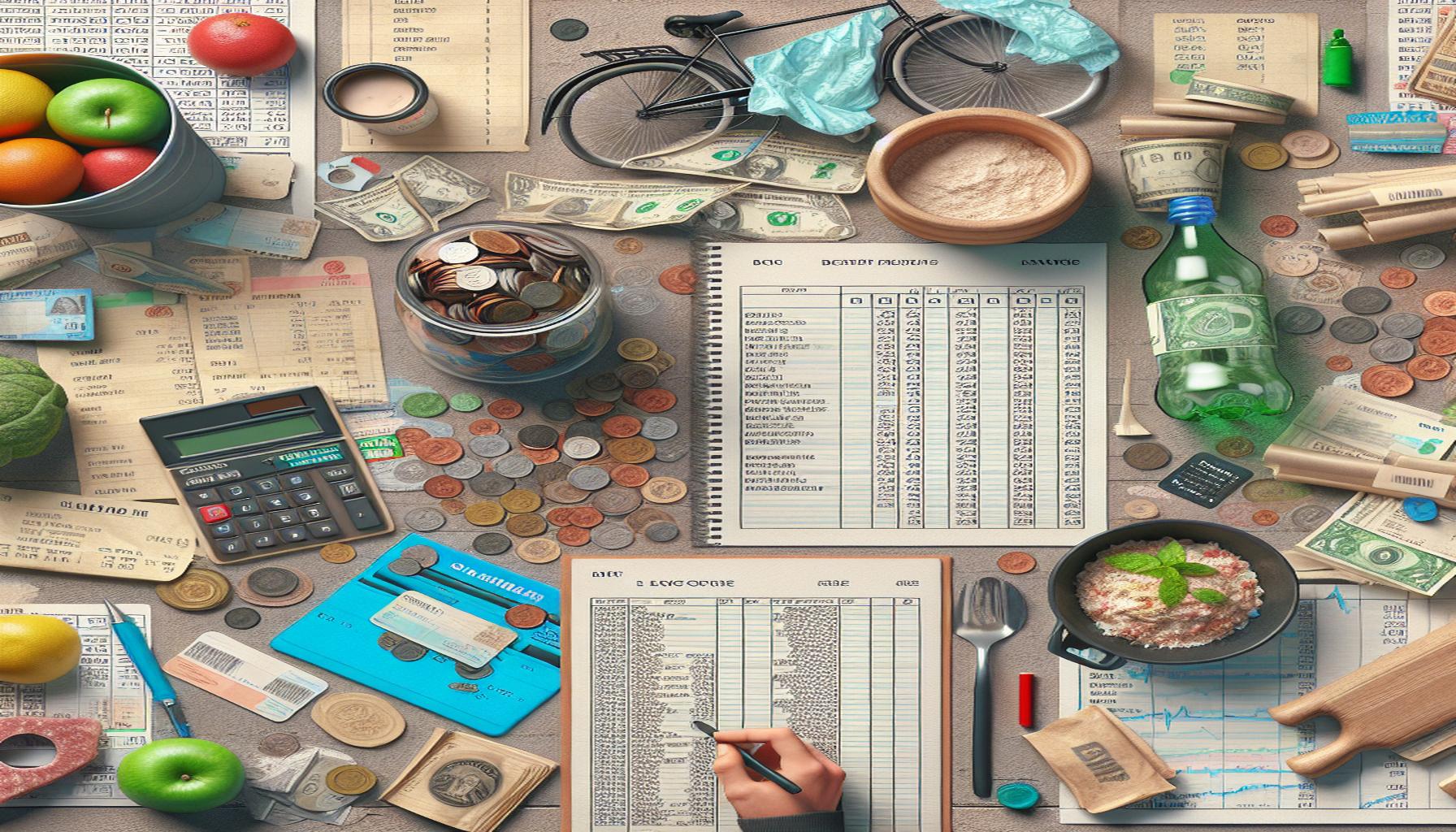
How to Reduce Monthly Expenses on Transport, Food, and Services
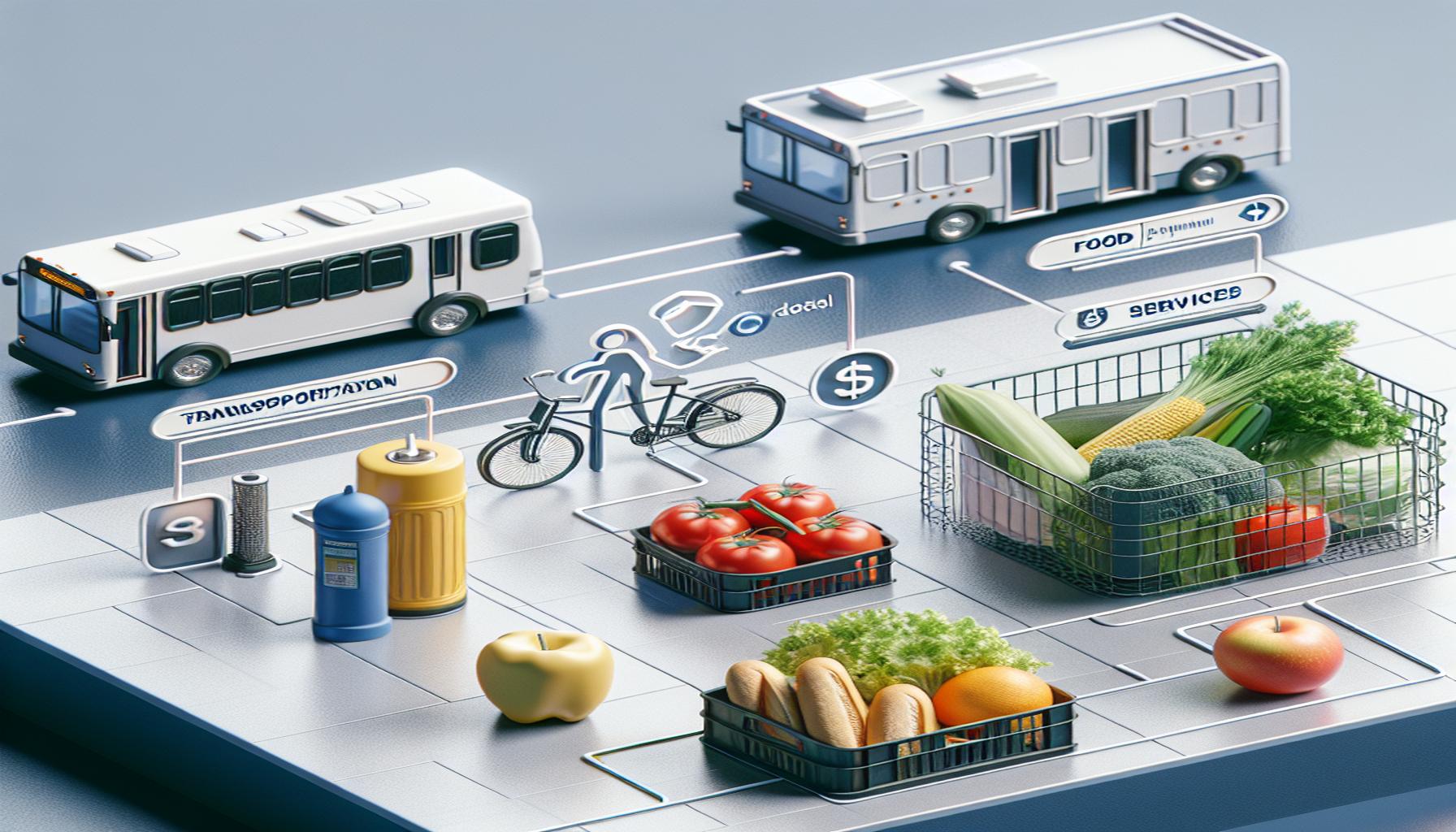
Advertisement
Effective Strategies for Managing Expenses
Managing monthly expenses can indeed feel like an uphill battle. However, breaking down your spending into essential categories—like transport, food, and services—can help streamline this process and put you back in control of your finances. Here are some detailed strategies you can implement to reduce these costs effectively.
Advertisement
Transport Savings
Transport is one of the largest expenses for many households. To cut down on these costs, start by exploring public transportation. Most metropolitan areas in the United States have reliable bus and train systems that can significantly reduce your fuel expenses and vehicle upkeep costs. For example, if you live in a city with a robust subway system, you might find that using it instead of driving can save you both money and time spent in traffic.
Another option is carpooling. Sharing rides with coworkers or friends not only helps reduce the number of vehicles on the road but also allows you to split gas and parking costs. For those who prefer a more active lifestyle, consider biking. Investing in a quality bike can lead to savings on fuel and maintenance while also providing health benefits, such as improved fitness and reduced stress.
Advertisement
Food Expenses
When it comes to food, planning your meals is essential. Take some time each week to create a meal plan based on affordable, nutritious options. This not only minimizes impulse buys but also reduces food waste. Grocery shopping with a list can save you money, especially if you stick to it. Additionally, buying in bulk can often yield cost savings. For instance, purchasing grains, canned goods, or cleaning supplies in larger quantities can result in lower costs per unit, reducing the overall bill.
Don’t overlook store discounts and loyalty programs. Many grocery stores offer weekly specials and discounts for members, which can add up to substantial savings over time. Using apps designed to find and compare prices can help you identify the best deals available in your area.
Cutting Back on Services
Evaluating your monthly subscriptions and utility plans is another vital step in managing your expenses. Start by making a list of all your services, such as streaming platforms and gym memberships, to see if you’re using them regularly. If some subscriptions are underutilized, consider canceling or sharing accounts with family or friends to split costs.
Moreover, check your utility plans. Many providers offer multiple packages, and switching to a more affordable option can make a significant difference in your monthly bills. This could include negotiating with your internet provider for better rates or seeking out renewable energy options that may be cheaper over time.
Conclusion
By focusing on these practical strategies in the areas of transport, food, and services, you can see noticeable reductions in your monthly expenses. The key lies in making informed choices that fit within your budget, allowing you to enjoy your lifestyle without unnecessary financial strains. By taking control of your spending, you set the stage for improved financial health and peace of mind.
CHECK OUT: Click here to explore more
Smart Approaches to Lowering Monthly Expenses
Transport Savings
Transport expenses can quickly add up, draining your budget more than you might expect. One of the first strategies to consider is utilizing public transportation. Cities across the United States, from New York to San Francisco, offer extensive transit systems, such as buses and trains, that can significantly reduce your need for a personal vehicle. By opting for these modes of transport, you eliminate costs associated with fuel, parking, and vehicle depreciation.
If you must drive, think about carpooling with fellow commuters. By sharing a ride with coworkers or neighbors, you share the fuel costs, which can create substantial savings, particularly if you are commuting long distances. Additionally, biking is an excellent alternative for short trips. Not only does it save on transportation costs, but it also contributes positively to your health and the environment.
To make the most of your travel savings, consider these practical steps:
- Research transit passes: Many cities offer monthly passes that can save you money if you frequently use public transport.
- Join local carpool groups: Websites and apps like Waze Carpool make it easy to find others heading in the same direction.
- Plan your trips: Combine errands into one trip to save on both gas and time spent driving.
Food Expenses
Food is another significant area where you can effectively manage your budget. Begin by establishing a consistent meal planning routine. Dedicate some time each week to create a meal plan focusing on nutritious yet affordable recipes. This practice minimizes impulse buying and helps you avoid wasting food. In conjunction with meal planning, go shopping with a grocery list. By sticking to this list, you can resist the temptation of unplanned purchases that can inflate your food expenses.
Buying in bulk is a strategic way to cut down costs. Items such as pasta, rice, canned goods, and cleaning supplies often have lower price points when purchased in larger quantities. This not only decreases the per-unit cost but also reduces the frequency of your shopping trips. Also, keep an eye on store promotions. Many supermarkets provide discounts and deals for members, so sign up for loyalty programs to take advantage of potential savings. Consider using apps that can help you compare prices among different stores in your area to ensure you are always getting the best deal.
Cutting Back on Services
Analyzing your monthly services and subscriptions is crucial for controlling your expenses. Start by listing all your recurring services: think about streaming subscriptions, gym memberships, and other entertainment fees. This will give you a clearer picture of what’s essential and what might be more of a luxury. If certain services are not being utilized regularly, ask yourself if cancelling is a viable option. You can also consider sharing subscriptions with family or friends to help cut costs.
In addition, don’t forget to review your utility plans. Many providers offer various packages that could be more affordable based on your usage. Contact your internet or cable provider to negotiate rates or seek out new bundling deals that could save you money.
SEE ALSO: Click here to read another article
Practical Tips for Ongoing Savings
Transport Savings Continued
Beyond public transportation and carpooling, there are further strategies to optimize your transport costs. If you frequently use your vehicle, maintaining it properly can significantly influence your expenses. Regular oil changes, tire rotations, and engine checks can enhance fuel efficiency, saving you money on gas in the long run. Additionally, make sure your tires are properly inflated; under-inflated tires can decrease fuel efficiency by up to 3%.
Another avenue to explore is the use of mobile apps that track fuel prices. Apps like GasBuddy help you locate the cheapest gas stations in your vicinity, allowing you to save a few cents per gallon, which can add up over time. Furthermore, consider using a credit card that offers rewards for gas purchases, leading to even more savings.
For those considering long-distance travel, you may also explore ridesharing services or train services. These options can sometimes be more affordable than flying and may even lead to an enjoyable travel experience while avoiding the hassle of driving.
Food Expenses Enhanced
In addition to meal planning and bulk buying, cooking at home is a vital strategy to save on food costs. Eating out can significantly inflate your monthly food budget, so try experimenting with new recipes or batch cooking to make meals that can be enjoyed throughout the week. You can also embrace the concept of meatless meals a few times a week. Incorporating more plant-based dishes can help lower your grocery bills since meats often carry a heftier price tag.
Utilizing seasonal produce is another effective way to keep costs down. Seasonal fruits and vegetables are typically more affordable and taste better than out-of-season items. Local farmers’ markets often offer great deals, and shopping at these markets can provide fresh ingredients while supporting your community.
Furthermore, you can also tap into your pantry for those less frequently used ingredients. Challenge yourself to create meals using what you already have, reducing the need for additional grocery shopping. This technique can quickly turn your food costs into savings by minimizing waste.
Smart Service Reductions
To further streamline your services, take advantage of free trials. Many subscription services offer free trials for a limited time; utilize these to determine if a service is truly worth the cost. If a service doesn’t meet your needs, feel free to cancel before you incur charges. Additionally, consider downloading apps that help manage subscriptions. These apps can track your subscriptions and send reminders about renewals, ensuring you don’t accidentally pay for services you no longer use.
A good practice is to also negotiate your bills. Sometimes, simply asking your service providers for better rates or discounts can yield surprising results. Representatives may offer promotions or incentives to retain you as a customer that you weren’t aware of. This tactic can be applied to not just utilities but also phone and internet plans.
Engaging in a regular review of your monthly bills can help you identify new opportunities for savings. Each month, sit down and scrutinize where your money is going. Look for any changes in your services or expenses that may warrant renegotiation or cancellation.
CHECK OUT: Click here to explore more
Conclusion
Reducing monthly expenses on transport, food, and services may seem daunting, but with strategic planning and mindful habits, anyone can achieve significant savings. By carefully considering your transport options, such as maintaining your vehicle, using public transport, or exploring rideshare services, you can minimize costs while still meeting your commuting needs. Each small adjustment can compound over time, leading to substantial monthly savings.
When it comes to food expenses, prioritizing home-cooked meals, embracing meal planning, and opting for seasonal ingredients are all effective ways to stretch your grocery budget. Not only does cooking at home reduce spending, but it also fosters healthier eating habits. Don’t forget to utilize what you already have in your pantry, which can transform meal preparation into a creative and cost-effective experience.
Lastly, reassessing your services is crucial. Regularly reviewing subscriptions, negotiating for better rates, and taking advantage of free trials help prevent unnecessary expenses from slipping through the cracks. Simple practices like these can lead to overall financial improvements, ultimately providing you with greater flexibility to invest in what truly matters.
In conclusion, being proactive and employed with the right strategies can help you navigate through your monthly expenses efficiently. Embrace these tips, stay committed to evaluating your habits, and watch as your savings grow over time. Financial prudence doesn’t just relieve stress; it empowers you to live comfortably and enjoy life to the fullest.