
How to Set and Track Financial Goals Using Free Apps
Advertisement
Understanding the Importance of Financial Goals
Setting financial goals is not just a mere task; it’s the cornerstone of achieving financial stability and success. These goals provide a roadmap, guiding your decisions and helping you stay focused on your financial journey. When you establish clear objectives—like saving for a home, planning for retirement, or building an emergency fund—you lay the foundation for effective money management.
Advertisement
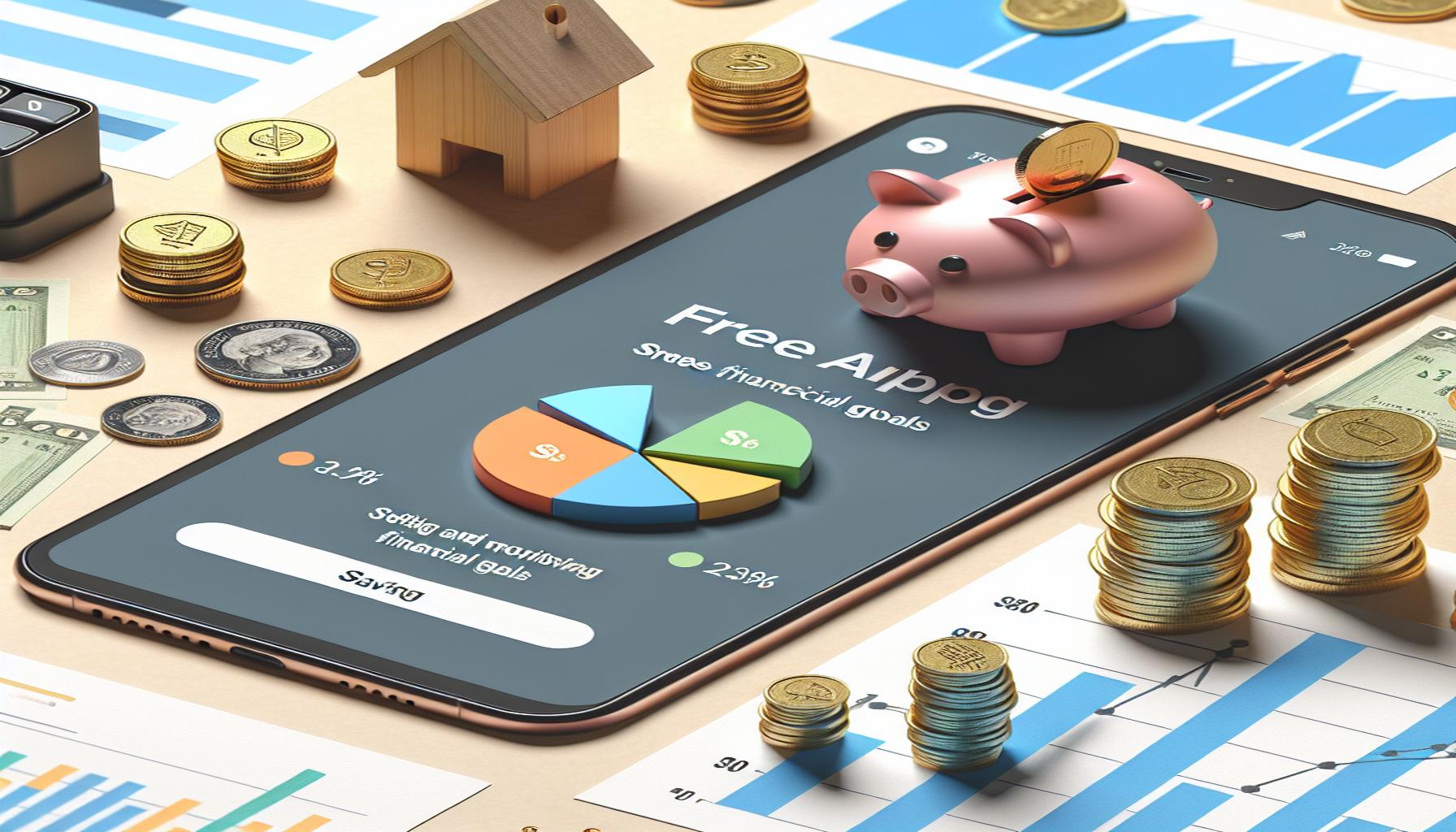
In today’s digital age, **free apps** have become indispensable tools that simplify the process of setting and tracking financial goals. They not only help users plan but also empower them to manage their finances in a smarter way. Let’s delve into some of the reasons why these apps can significantly enhance your financial journey.
User-Friendly Interfaces
Many of these apps boast **user-friendly interfaces**, making them accessible to individuals of all experience levels—whether you’re a financial novice or a seasoned budgeter. For instance, apps like Mint and YNAB (You Need A Budget) offer intuitive navigation systems that guide you through the process of linking bank accounts, categorizing expenses, and setting up goals without overwhelming you with technical jargon.
Advertisement
Customizable Features
One noteworthy advantage of these financial apps is their **customizable features**. Users can tailor their financial objectives based on personal situations. Whether you’re saving for a dream vacation to Hawaii, paying off student loans, or building a retirement fund, these apps allow you to create personalized plans that reflect your unique circumstances. For example, if you want to save $5,000 in a year for a vacation, an app can help you calculate how much money you need to set aside each month to reach that target.
Real-Time Tracking
Another compelling benefit of utilizing financial apps is their ability to provide **real-time tracking**. You can monitor your spending, see your savings grow, and adjust your budget on-the-go. This immediate visibility can be particularly motivating. For instance, if you see that you are just a few dollars away from reaching a savings target, it may encourage you to make smarter spending choices, like skipping that extra coffee run.
Additional Features That Enhance Financial Management
Moreover, many financial apps are equipped with insightful features that add tremendous value:
- Budget Planning Tools: These tools allow you to visualize your spending patterns. You can easily see where your money goes every month and identify areas for potential savings. For instance, if you notice a large portion of your budget is spent on dining out, you may decide to cut back and redirect that money toward savings.
- Reminders: Life can get hectic, and it’s easy to forget due dates for bills or upcoming savings goals. With built-in reminders, you receive alerts that help you stay on track, out of late fees, and contribute consistently to your savings.
- Graphs and Charts: Visual representations of your financial data can simplify complex concepts. By viewing your progress through graphs, you can clearly understand how much closer you’re getting to your goals, making it easier to stay motivated.
By taking advantage of these features, you can transform your financial aspirations into achievable objectives. In the following sections, we will explore some of the most popular free apps available, provide tips on how to use them effectively, and offer advice on setting realistic goals to enhance your financial well-being.
CHECK OUT: Click here to explore more
Setting Effective Financial Goals
To effectively use free apps for tracking your finances, it’s essential to start with well-defined financial goals. This involves a clear understanding of what you wish to achieve financially. Financial goals can generally be categorized into three main types: short-term, medium-term, and long-term goals.
Short-Term Goals
Short-term goals are typically those you wish to achieve within a year. These might include creating an emergency fund, saving for a vacation, or paying off a small debt. When using a financial app, you can easily set these goals and break them down into manageable monthly savings targets. For instance, if you aim to save $1,200 for a vacation in the next year, the app can help you identify that you need to set aside $100 each month. This approach not only makes your goals feasible but also keeps you motivated as you track your progress month by month.
Medium-Term Goals
Medium-term goals generally span one to five years. They could involve saving for a down payment on a home, funding your child’s education, or purchasing a new car. Utilizing a financial app, you can establish these goals more effectively by incorporating features such as progress tracking and financial projections. For example, if your goal is to save $20,000 for a home down payment within three years, many apps can calculate how much you need to save monthly while taking interest and investment growth into account.
Long-Term Goals
Long-term goals are financial objectives set for five years or longer. Common examples include saving for retirement or planning for large future expenses. These goals often require a more strategic approach, which free financial apps can facilitate. You can set up automated contributions to retirement accounts and utilize projections for future savings based on your current income and spending habits. For instance, if you plan to save $1 million for retirement in 30 years, an app can help you determine how much to invest monthly, considering factors like inflation and expected rates of return.
Enhancing Your Goal-Setting Experience
While defining your financial goals is crucial, utilizing the functionalities of financial apps can enhance your overall experience. Here are some key features to consider when setting and tracking your financial goals:
- Goal-Specific Savings Accounts: Some apps allow you to create separate savings accounts dedicated to each goal. This separation prevents you from accidentally dipping into money meant for specific purposes.
- Visual Progress Indicators: Many apps provide visual indicators such as progress bars or pie charts to show how far along you are in achieving your savings goals, making it easier to stay motivated.
- Collaborative Features: If you’re working towards shared financial goals with a partner or family member, some apps allow you to collaborate and track progress together, fostering teamwork and commitment.
With these features, free financial apps not only simplify the process of setting and tracking financial goals but also provide a sense of accountability. In the subsequent sections, we will cover specific apps that can help you realize your financial aspirations while offering actionable tips on effective usage.
CHECK OUT: Click here to explore more
Maximizing the Use of Financial Apps for Tracking
After defining your financial goals and understanding how to categorize them, it’s crucial to delve into the features of free financial apps that can streamline the process of tracking your progress. Incorporating specific functionalities not only enhances your experience but also significantly contributes to achieving your financial targets.
Budgeting Tools
Many financial apps prominently feature budgeting tools, which are essential for monitoring your spending habits. A key aspect of achieving your goals involves understanding where your money is going each month. For example, if you aim to save for a vacation, using a budgeting tool can help identify non-essential expenses—such as dining out or subscription services—that can be reduced or eliminated. By inputting your monthly income and fixed expenses, you can see how much disposable income is left for savings. This clear snapshot allows for better financial decision-making and can empower you to stick to your goals more effectively.
Customizable Notifications
Customizable notifications are another invaluable feature available in many financial apps. Setting reminders for upcoming bills, savings contributions, or even milestones can keep you accountable. For instance, if you’ve pledged to save a certain amount each month, a notification can remind you to transfer your savings on payday, ensuring that you prioritize saving. These alerts are particularly effective for newer savers who might need that extra nudge. In some apps, you can also customize your goals, setting specific targets which, when achieved, trigger celebratory notifications to celebrate your successes.
Financial Education Resources
Another benefit of using free financial apps is access to educational resources. Many apps offer articles, tips, and personal finance insights tailored to your financial goals. For instance, if you’re saving for a home, the app might provide information about down payment assistance programs or tips on improving your credit score, which is vital for securing a mortgage. By leveraging these resources, you can make informed decisions that align with your financial aspirations. Practicing continuous learning helps refine your strategy and keeps you engaged with your financial journey.
Connecting Bank Accounts and Financial Institutions
Connecting your bank accounts and financial institutions directly to your budgeting app can provide a comprehensive overview of your financial status. This connectivity allows for automatic imports of transactions, making it easier to track expenses and monitor progress toward your goals without manual data entry. If your app identifies patterns in your spending, it might prompt you to adjust your budget or savings plan to stay on track. For example, it may highlight that you regularly spend more on entertainment than initially anticipated, allowing you to make conscious choices to redirect funds to your savings goals.
Staying Engaged with Your Financial Journey
Consistency is key when it comes to tracking your financial goals. Regularly checking in with your app provides a sense of engagement and encourages adjustments when necessary. Many apps allow you to assess your performance and set new short-term goals based on your progress. For instance, if you’ve successfully saved a portion of your targeted amount faster than expected, consider reallocating that extra savings toward another goal, such as retirement. This adaptability enables you to maximize your capabilities and keep your financial roadmap dynamic and relevant.
By taking full advantage of the features that free financial apps offer, you can not only track your progress but also deepen your understanding of personal finance. This ongoing involvement is essential in empowering you to reach your financial goals more effectively and with greater confidence.
SEE ALSO: Click here to read another article
Conclusion
In conclusion, utilizing free financial apps can significantly enhance your ability to set and track your financial goals. With features such as budgeting tools, customizable notifications, and educational resources, these apps provide a comprehensive framework to help you stay on course. Understanding your spending habits through budgeting is the foundation of effective financial planning, allowing you to make informed decisions that support your aspirations, whether that’s saving for a home, planning for retirement, or simply building an emergency fund.
Moreover, staying actively engaged with your financial journey is vital. Regularly checking in with your app not only keeps you accountable but also allows you to adapt your strategies as your life circumstances change. For instance, if you find you are consistently overspending in a category, you can make real-time adjustments to ensure your long-term goals remain within reach. Embracing the educational components of these apps equips you with knowledge that is paramount in today’s financial landscape.
Ultimately, the key takeaway is that proactive management of your finances leads to greater control and achievement of your goals. By leveraging the tools provided by free financial apps effectively, you are not just tracking data; you are taking charge of your financial future. Start today, stay committed, and watch as your financial dreams transform into realities.
